FAME-II ended on March 31, 2024. The scheme active right now is PM E-DRIVE, and it runs until July 31, 2026 for electric two-wheelers. If you have been searching for "FAME subsidy on electric scooter" expecting it to still apply, it does not. This guide covers what is actually live in 2026, what you can really claim, and the one thing almost every other subsidy blog leaves out. If you are still comparing models before you buy, the best electric scooter under 70,000 guide is worth reading alongside this one.
For the latest on-road prices across Zelio's lineup, see the battery scooty price list.
The Central Scheme - PM E-DRIVE
PM E-DRIVE stands for Prime Minister Electric Drive Revolution in Innovative Vehicle Enhancement. It replaced FAME-II in October 2024 and is the active central subsidy programme for electric two-wheelers in India through July 31, 2026.
Subsidy amount: Rs 2,500 per kWh of battery capacity, capped at Rs 5,000 per vehicle. A scooter with a 2 kWh battery gets 2 × Rs 2,500 = Rs 5,000 off. Anything above 2 kWh still caps at Rs 5,000.
How it is applied: Deducted directly from your invoice at the dealership. No reimbursement, no separate application, no waiting period. The dealer generates an Aadhaar-linked e-Voucher and the discount reflects in your final on-road price.
Eligibility conditions:
-
Vehicle must be new, priced up to Rs 1.5 lakh ex-factory
-
Vehicle must carry PM E-DRIVE certification from a Ministry of Heavy Industries-approved testing agency
-
Buyer must be an Indian resident, 18 years or older
-
Aadhaar e-KYC is mandatory at the point of purchase
-
One subsidy per individual, tracked via Aadhaar
-
Only advanced battery chemistry (lithium-ion, LFP, NMC) qualifies. Lead acid battery scooters are excluded. The lithium vs lead acid battery guide explains the practical difference between the two if you are weighing a lithium upgrade for this reason alone
The deadline is real and the funds are limited. As of early 2026, roughly 19 lakh electric two-wheelers had already been sold against a quota of close to 25 lakh under this scheme. The remaining slots are first-come, first-served. If the quota fills before July 31, 2026, the subsidy ends regardless of the official deadline.
Who This Subsidy Actually Excludes
This matters more than most articles about government subsidy on electric scooter in India tell you upfront.
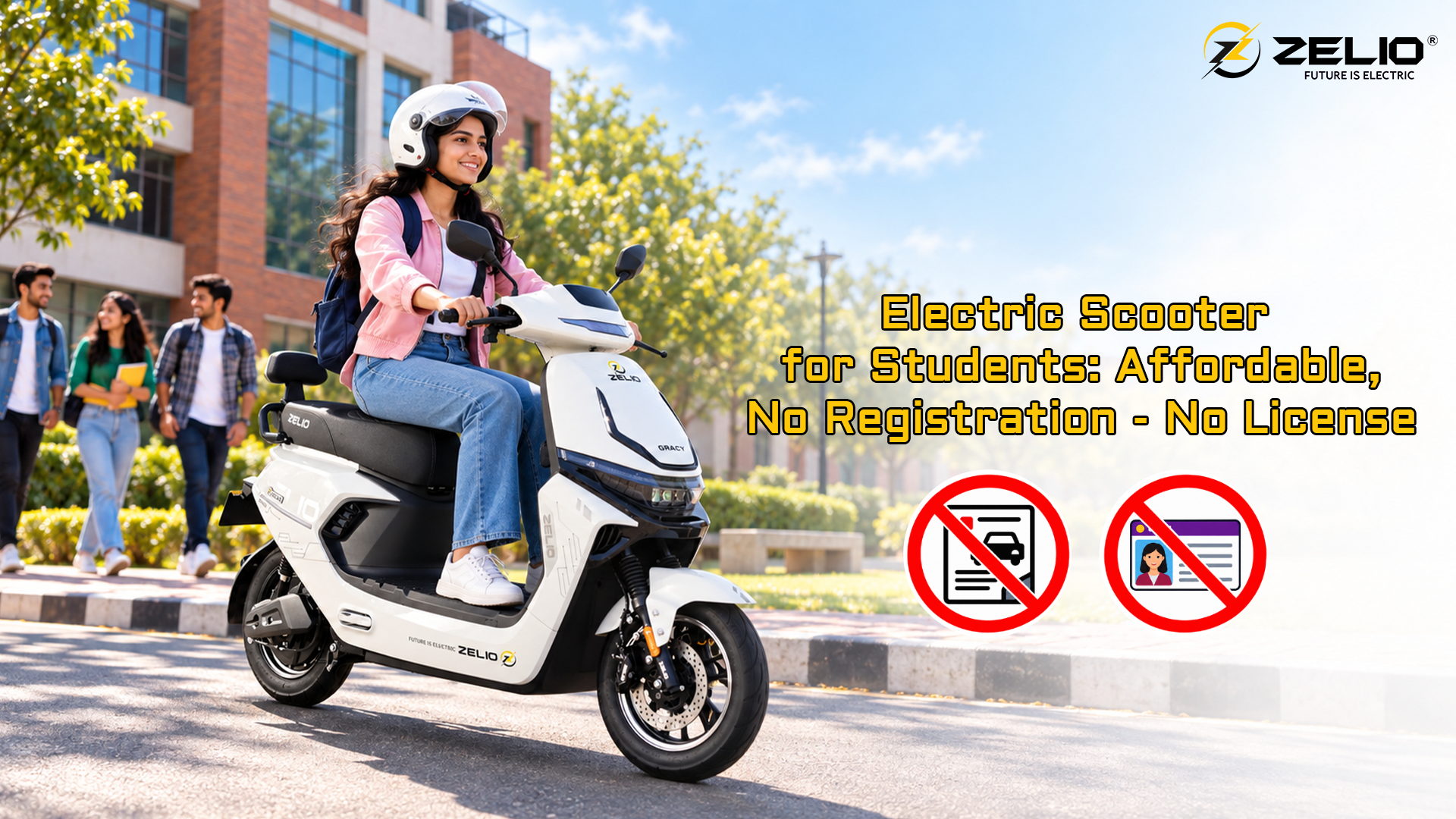
Low-speed electric scooters under 25 km/h, which need no driving licence and no RTO registration, generally fall outside PM E-DRIVE's certification framework. The scheme targets registered, high-speed electric vehicles with lithium batteries that go through formal homologation. If you are buying a no-licence, low-speed scooter on a lead acid battery - which is exactly what most budget and mid-range buyers in India choose - you will likely not see this Rs 5,000 reflected at the counter. The non-RTO scooter guide explains exactly what makes a scooter exempt from registration in the first place.
This is not a flaw in the scheme. It is simply built for a different category of buyer - someone purchasing a registered, lithium-powered, high-speed scooter. If that describes your purchase, ask your dealer directly whether the specific model and battery variant is PM E-DRIVE certified before you assume the subsidy applies. Certification varies by exact battery type, not just by brand.
For the no-licence, low-speed segment, the real savings come from a different place entirely - the running cost. At Rs 0.25 per km versus Rs 2.5 per km for petrol, a 35 km daily commute saves roughly Rs 31,000 to Rs 34,000 every year without needing any subsidy paperwork at all. The best budget electric scooter in India guide breaks down this running cost math against several Zelio models if you want to see the full picture.
State-Wise Electric Scooter Subsidy in India 2026
Central subsidy is the floor. States layer their own incentives on top, and this is where the real variation shows up. Policies change often, so treat the figures below as a starting point and confirm current status with your state transport department or RTO before you buy.
Haryana
Haryana Electric Vehicle Policy offers a subsidy of Rs 5,000 per kWh of battery capacity for electric two-wheelers, capped at Rs 30,000, along with registration fee and road tax exemption for eligible high-speed EVs. As with the central scheme, this primarily applies to registered, high-speed electric vehicles rather than low-speed, no-licence models.
Punjab
Punjab's EV policy includes incentives for electric two-wheelers along with the creation of green zones in cities like Chandigarh where only electric vehicles are permitted. The state has also rolled out cashback incentives for electric bicycles and three-wheelers under separate components of its EV push. Road tax and registration benefits for two-wheelers vary by vehicle category, so confirming current applicability with your local RTO is recommended. For buyers in Haryana and Punjab specifically, the electric scooter under 80,000 guide lists current Zelio prices for both states.
Uttar Pradesh
UP's EV subsidy scheme provides 15% of the ex-factory price for two-wheelers, capped at Rs 5,000, along with a 100% waiver on road tax and registration fees for up to five years on vehicles registered within the state. Some recent reports indicate parts of UP's tax waiver provisions have lapsed or are under review, so it is worth confirming current status at the time of registration.
Delhi
Delhi's EV Policy offers one of the most comprehensive state incentive structures in the country - a purchase incentive of up to Rs 30,000 for two-wheelers in earlier policy phases, alongside a 100% waiver on road tax and registration fees. A scrapping incentive of Rs 5,000 to Rs 7,000 is also available for buyers who scrap an old petrol two-wheeler when purchasing an EV.
Maharashtra
Maharashtra's EV policy provides a subsidy of up to 15% of the purchase price for two-wheelers, generally capped around Rs 25,000, with a full road tax exemption. The state also offers a scrapping incentive of up to Rs 7,000 for replacing an old petrol scooter.
Gujarat
Gujarat's earlier EV policy offered one of the highest per-kWh subsidy rates in the country for electric two-wheelers, along with road tax and registration exemptions. More recent reporting indicates the state's purchase subsidy component may have lapsed or been discontinued as policy windows close, so this should be verified directly with a Gujarat RTO before assuming eligibility.
Rajasthan
Rajasthan's EV policy (REVA) includes a capital subsidy for electric two-wheelers along with road tax exemption on new EV registrations.
Karnataka
Karnataka has historically offered registration fee waivers for electric two-wheelers. Some recent updates suggest the state has revised or rolled back parts of its earlier road tax exemption, so confirming the current applicable rate at registration is important.
Tamil Nadu
Tamil Nadu offers a 100% road tax exemption for electric vehicles along with registration fee benefits for two-wheelers under its EV policy.
West Bengal
West Bengal runs a state-level EV incentive scheme for eligible electric two-wheeler buyers, with benefits varying by vehicle category.
How to Actually Claim the Subsidy
For the central PM E-DRIVE subsidy:
-
Confirm with your dealer that the specific model and battery variant is PM E-DRIVE certified
-
Provide Aadhaar details for e-KYC at the time of purchase
-
The dealer generates an e-Voucher and the subsidy is deducted directly from your invoice
-
You pay the net amount - no separate application or reimbursement wait
For state-level subsidies:
-
Purchase from an authorised dealer within your state
-
Submit required documents - typically Aadhaar, proof of residence, and bank account details
-
Most states process this as a Direct Benefit Transfer to your bank account after registration, often within 30-45 days
-
Road tax and registration waivers, where applicable, are usually applied directly at the RTO during registration
Always confirm with the dealer or your state transport department before finalising a purchase, since subsidy windows, caps, and eligible categories change frequently.
What This Means If You Are Buying a Low-Speed Electric Scooter
If you are choosing a no-licence, low-speed electric scooter - the kind that needs no RTO registration and no driving licence - here is the honest picture for 2026.
You may not directly receive the PM E-DRIVE central subsidy, since that scheme is largely built around registered, lithium-powered, high-speed vehicles. State-level road tax and registration benefits also typically apply to vehicles that go through RTO registration in the first place, which a low-speed scooter does not require.
What you do get instead, automatically and without any application:
No RTO registration fee to begin with, because low-speed scooters under 25 km/h are exempt from registration under Indian motor vehicle rules.
No road tax, for the same reason - there is nothing to register, so there is no tax to waive.
No driving licence cost or process, removing an entire layer of paperwork and fees that high-speed EV buyers go through regardless of subsidy.
Rs 0.25 per km running cost, which over a 35 km daily commute saves roughly Rs 31,000 to Rs 34,000 a year compared to a petrol scooter - savings that show up every single month without needing a subsidy scheme at all. To protect that saving over the years, the electric scooter battery life guide covers the habits that keep your battery performing well for longer.
For many buyers, the simplicity of a no-licence, no-registration purchase ends up being a more practical benefit than chasing a subsidy that was not designed for this category of vehicle in the first place.
Sources