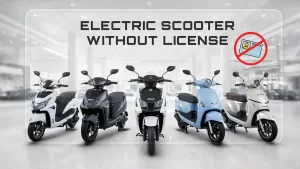
Electric Scooter Without License
Can You Ride an Electric Scooter Without License in India?
Yes — you can legally ride an electric scooter without a license in India if the scooter qualifies as a low-speed electric vehicle under government rules.
To be license-free, the scooter must meet both conditions:
-
Top speed: Maximum 25 km/h
-
Motor power: Maximum 250 watts
If a scooter stays within these limits, it is legally classified as a low-speed electric scooter, meaning:
✔ No driving license required
✔ No vehicle registration needed
✔ No number plate required
✔ RTO rules don’t apply
The government essentially treats these vehicles similar to electric bicycles (e-bikes) rather than motor vehicles.
Who Can Ride a License-Free Electric Scooter?
Anyone aged 16 years or older can ride a low-speed electric scooter in India.
These scooters are especially ideal for: Students, Senior citizens, Office commuters, Housewives, Shopkeepers, Short-distance riders.
Low Speed Electric Scooters are not safe for highways or high speed traffic.
They are particularly popular in Tier 2, Tier 3, and rural cities, where daily travel distances are short and high speed is unnecessary.
Why Low-Speed Electric Scooters Are Popular
These scooters are gaining popularity because they offer:
-
Extremely low running cost
-
Lightweight design
-
Easy handling for beginners
-
No paperwork hassle
-
Affordable price range
-
Simple charging at home
They are best suited for daily commutes under 30-40 km, making them perfect for city neighborhoods, towns, and village routes.
Popular Electric Scooters Without License (India)
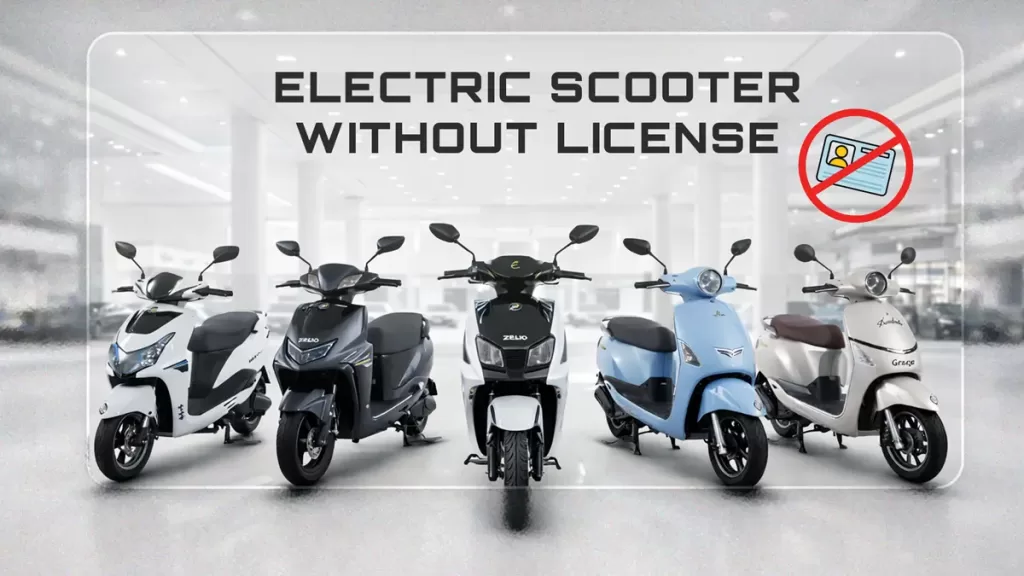
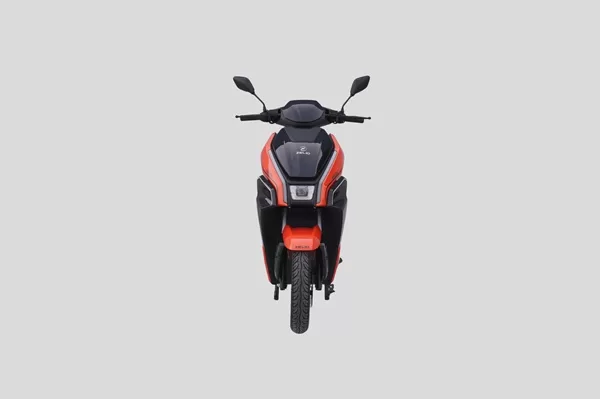
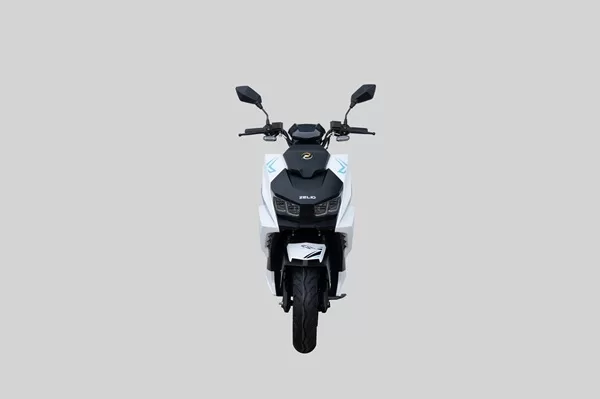
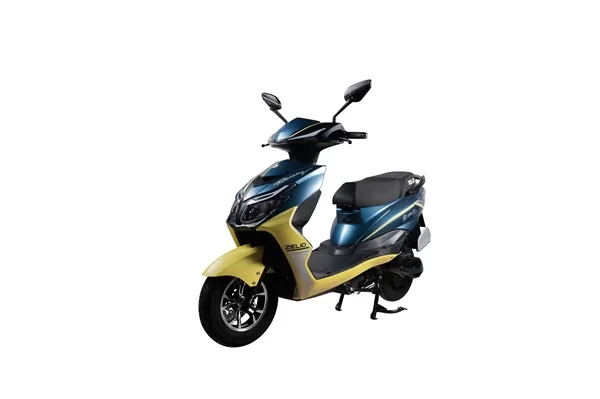
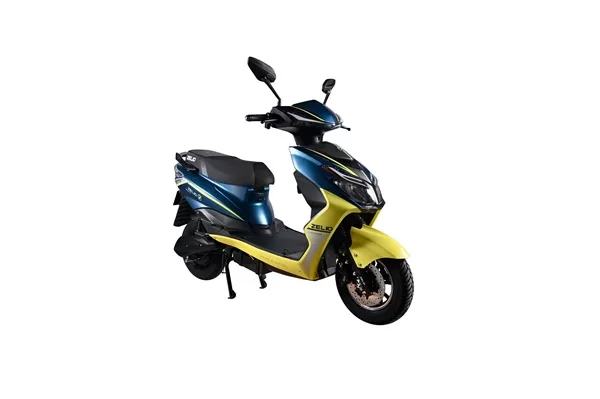
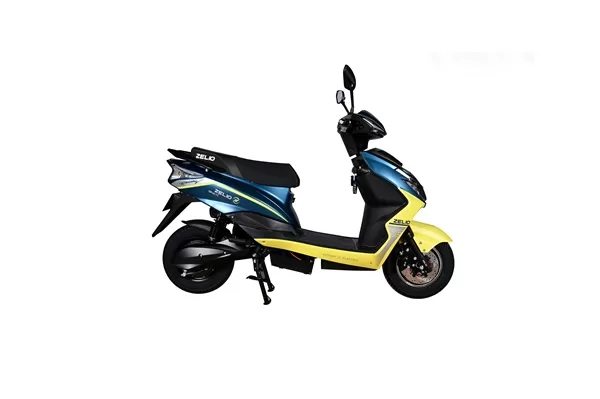
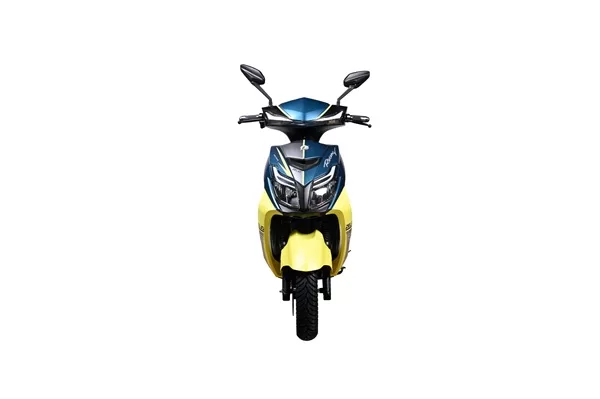
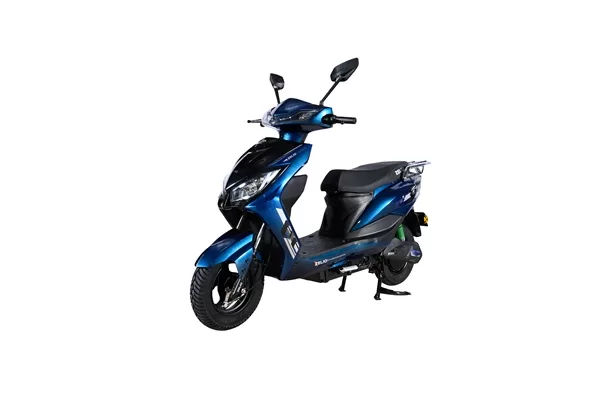
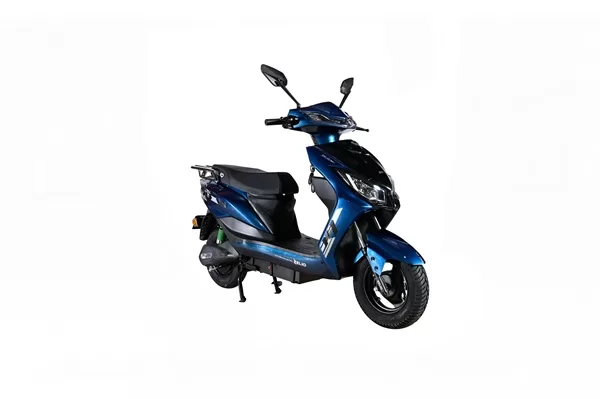
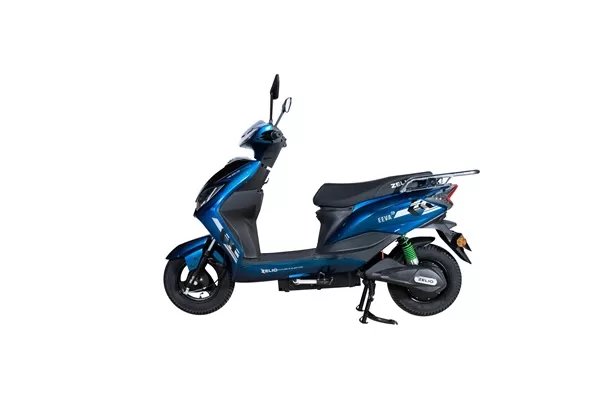
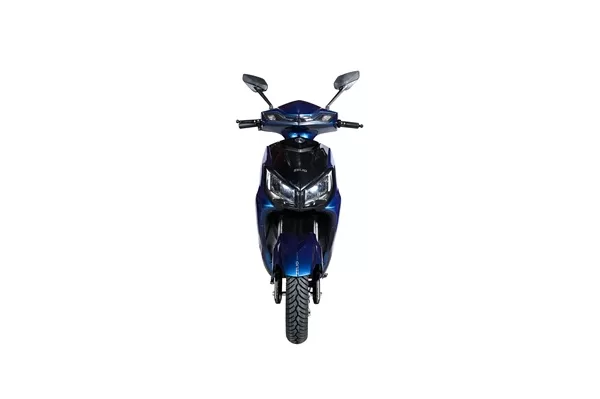
Zelio Legender
A practical daily commuter model focused on comfort, mileage efficiency, and easy riding for regular short trips.
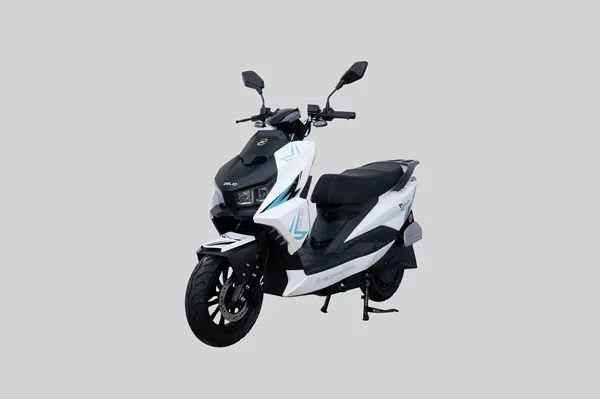
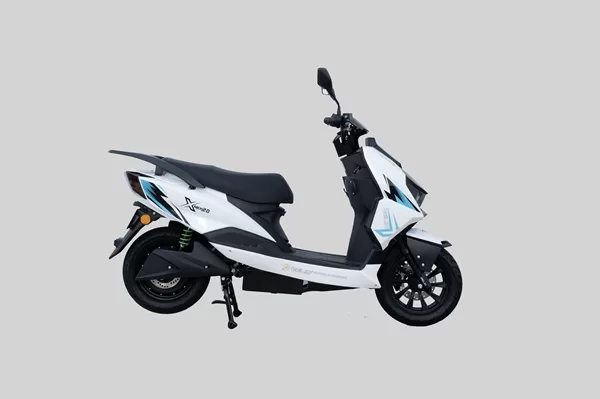
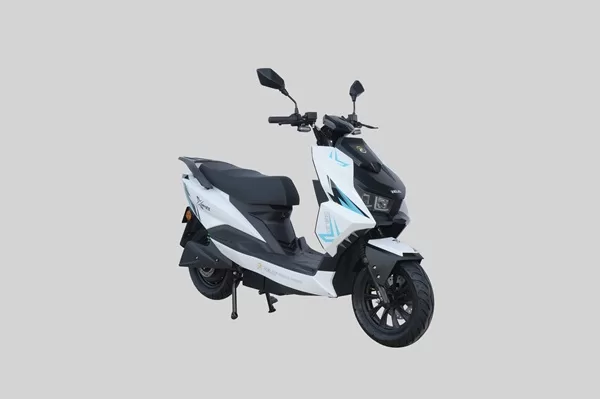
Zelio XMen 2.0
A sporty-styled low-speed scooter designed for young riders and urban commuters who want a stylish look with license-free riding.
Zelio Gracyi
Known for its lightweight build and simple controls, making it popular among beginners and senior riders.
Zelio EEVA
Designed for everyday usability with balanced range, comfort, and low maintenance.
Low-Speed vs High-Speed Electric Scooters (Quick Comparison)
| Feature | Low-Speed (No License) | High-Speed (License Required) |
|---|---|---|
| Top speed | ≤ 25 km/h | 50–100 km/h |
| Motor power | ≤ 250W | 1000W+ |
| License | Not required | Required |
| Registration | Not required | Mandatory |
| Insurance | Optional | Mandatory |
When Should You Choose a License-Free Electric Scooter?
Choose one if you:
Travel less than 40 km daily
Prefer simple riding without paperwork
Don’t need highway speeds
Want an affordable mobility solution
Are a beginner rider
License-free electric scooters are one of the most practical mobility solutions in India today. They are economical, beginner-friendly, and perfect for short daily commutes – especially in smaller cities and towns where high speed is unnecessary.
FAQs about Electric Scooter Without License
Q1: Can a 14-year-old ride an electric scooter without license?
No. Minimum age is generally 16 years.
Q2. Is insurance required?
For low-speed (≤25 km/h) scooters, insurance is typically not mandatory – but having it is advisable.
Q3. Can police fine you?
If your scooter exceeds 250W or 25 km/h and you don’t have license/registration – yes.
Q4: Are these scooters safe?
Yes for short-distance city commuting, but they are not built for highways or high-speed traffic.
Q5: Is helmet compulsory?
Law varies by state, but wearing one is strongly advised.
Q6: Can I ride an electric scooter without license in India?
Yes, if it is ≤250W motor and ≤25 km/h speed.
Q7: Do I need registration for a low-speed e-scooter?
No. Registration and number plates are not required.
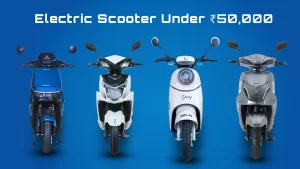
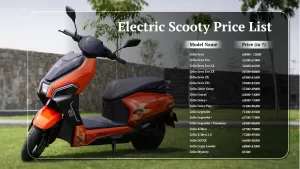
Q8: What is the average price of electric scooter?
Usually between Rs 50000-80000 depending on battery and range.
There are few companies which sell electric scooters under Rs 30000-40000 but the quality of such products are below par. Such scooters spend more time for repairs than on-road.
Read more articles about electric scooters


From 72,000 to 1,80,000 Units/yr: The Story Behind Zelio’s Biggest Capacity Leap