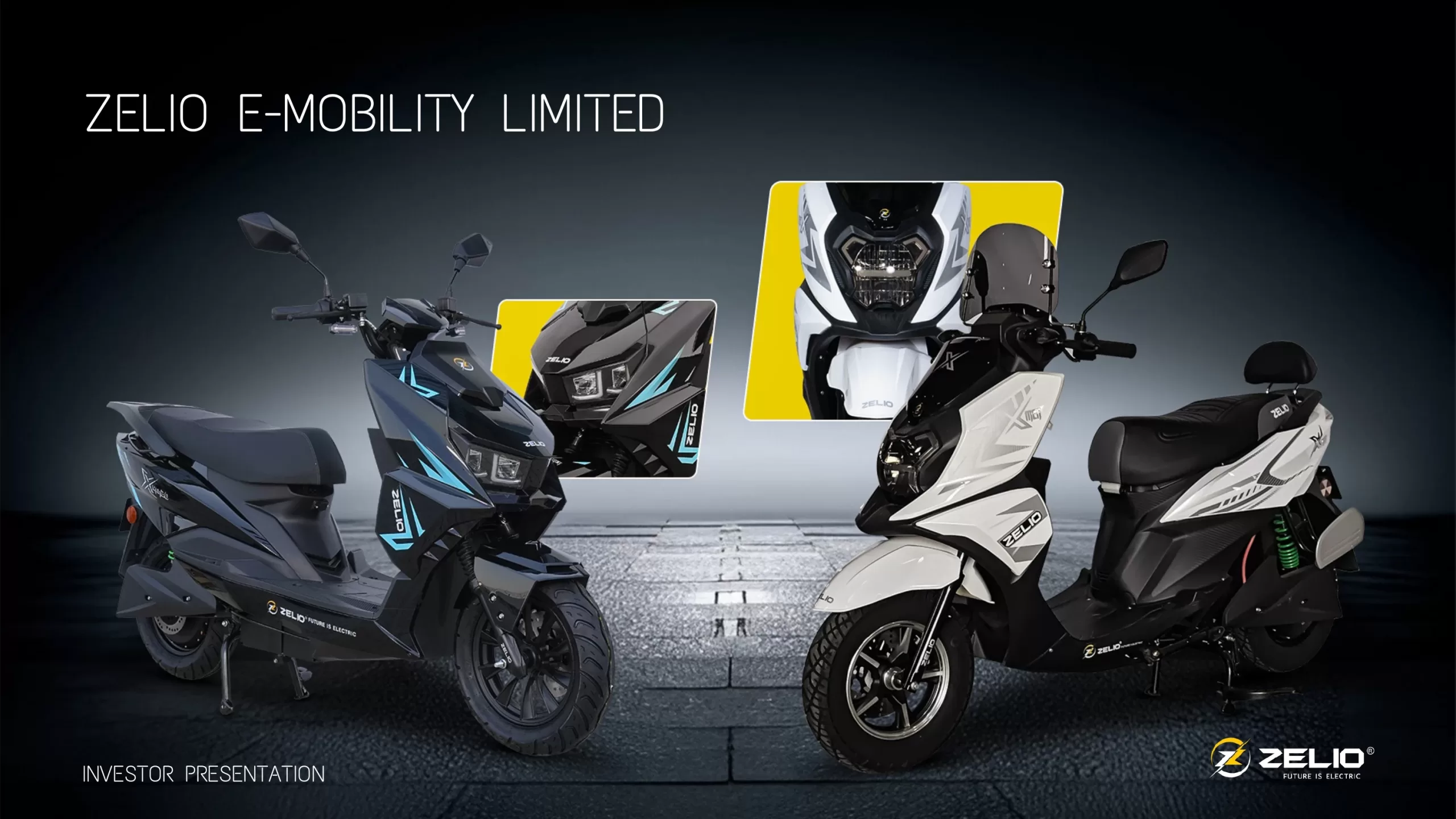
Zelio E-Mobility Limited is a 100% Indian electric vehicle manufacturer incorporated in 2021, founded by Neeraj Arya and Kunal Arya, and headquartered at Shop No. 542, Auto Market, Hisar, Haryana. The company is registered with the Registrar of Companies, Delhi (CIN: U34102HR2021PLC096362), with an authorized share capital of ₹25 crore and paid-up capital of ₹16.53 crore. Its directors include Kunal Arya, Niraj Arya, Deepak Arya, Sayuri Arya, Meenakshi Jain, and Sulabh Jain.
Products and Brands
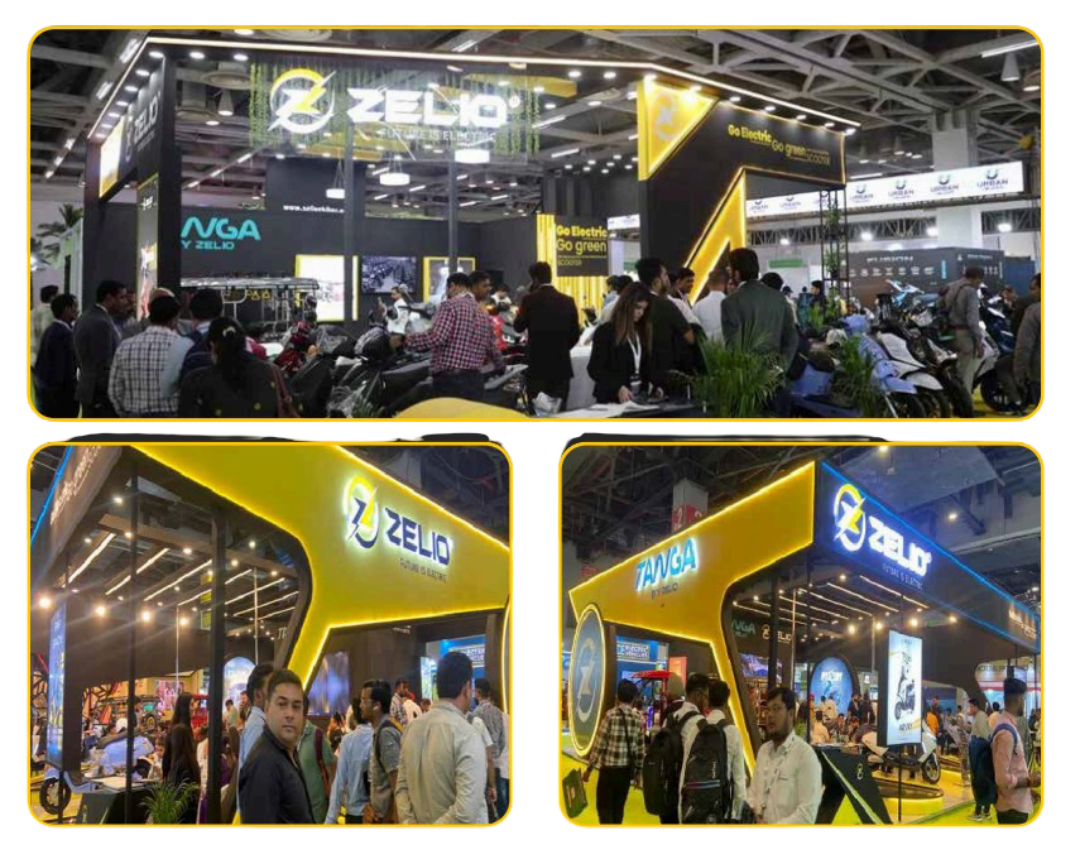
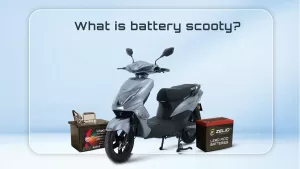
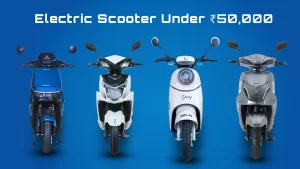
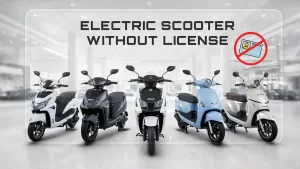
The company operates under two distinct brands: Zelio for electric two-wheelers (E-2Ws) and Tanga for electric three-wheelers (E-3Ws). Its E-2W lineup includes models such as Eeva, Gracy, Gracy Pro, Legender, Legender Plus, Mystery, XMen, Logix, and the newly launched Little Gracy – a license-free scooter targeting riders aged 16-18, priced at Rs 52,500. Its three-wheeler range includes the Tanga Butterfly and Tanga SS, launched at the EV India Expo 2024, and the Tanga e-Loader for last-mile commercial delivery. All vehicles are specifically engineered for Indian road conditions rather than adapted from European or Mandarin market designs. Batteries are removable and chargeable at standard 5-amp household sockets.
Manufacturing Footprint
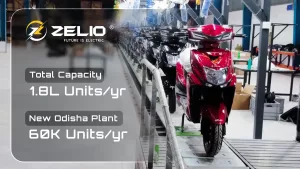
The company’s primary manufacturing facility is in Hisar, Haryana. The Odisha facility was expected to commence commercial operations in February 2026, while the Patan manufacturing facility was targeted for commissioning by April 2026. Subject to stabilization of the Odisha and Patan facilities, the company is also evaluating opportunities for an additional manufacturing or assembly facility in Southern India. Existing production capacity has been expanded by 70% to over 1,20,000 units per annum, with the company expecting 85% capacity utilization for FY26.
Subsidiary
In May 2025, Zelio incorporated Zelio Auto Components as a subsidiary to increase localization of parts, improve cost control, and strengthen margins. The subsidiary’s results are consolidated into the parent company’s financials from H1 FY26 onwards.
Recent Financial Performance
For H1 FY26 (April–September 2025), Zelio reported consolidated revenue of Rs 134.78 crore and net profit of Rs 11.87 crore. On a standalone basis, revenue rose 77% year-on-year to Rs 133.3 crore, while profit after tax climbed 69% to Rs 11.8 crore, up from Rs 7 crore in H1 FY25. Sequential PAT growth was 33%.
In Q3 FY26, the company posted a 67% increase in revenue to Rs 91.6 crore from Rs 54.94 crore in Q3 FY25. During the Diwali festive period, unit sales increased 74% year-on-year, with revenues growing 64% year-on-year and festive unit volumes hitting 13,566 units.
The company’s 2-year Profit CAGR stands at 124% and Sales CAGR at 84%, and it remains on track for a turnover of over Rs 260 crore in FY26, representing more than 51% growth over FY25. Between FY24 and FY25, revenue grew 83% and PAT rose 154%
IPO and Stock Market Listing
Zelio went public on the BSE SME platform. IPO proceeds were used primarily for debt repayment, capacity expansion, and working capital support.
The SME IPO raised Rs 78 crore at an issue price of Rs 136 per share, with the IPO open from September 30 to October 3, 2025. Hem Securities Ltd. was the book-running lead manager and Maashitla Securities Pvt. Ltd. was the registrar.
Distribution Network
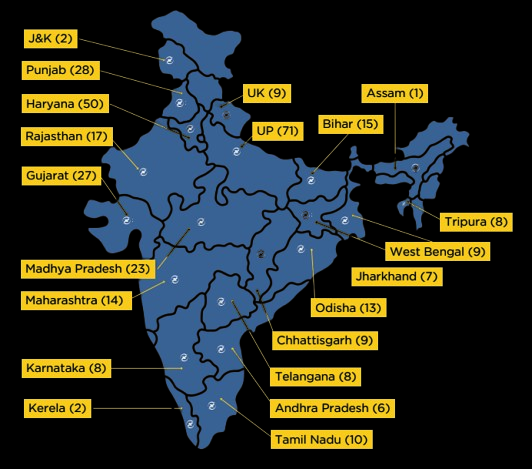
The dealer network has expanded to 360+ dealerships across 25+ states. The network spans urban, semi-urban, and Tier-2/Tier-3 markets, which represent the company’s primary growth engine. The company also claims over 2 lakh satisfied riders.
Key Strategic Differentiators
Zelio claims it does not rely on government subsidies, which insulates it from policy volatility as EV incentives taper over time. The company has reached profitability ahead of much larger EV peers such as Ola Electric and Ather Energy. Its focus on the slow-speed EV segment – affordable, practical, low-maintenance two- and three-wheelers – targets cost-sensitive buyers in smaller towns where total cost of ownership matters more than performance. According to MD Kunal Arya, fuel savings alone can recover the cost of the scooter within two years, making the economics compelling for last-mile commercial users.